In the name of Allah, I place my trust in Allah, and there is no might nor power except with Allah. (Said when leaving the house.) (Abu Dawud 5095, at-Tirmidhi 3426)
If you want a deeper explanation and a gentle way to memorize it, you can read this guide to the dua for leaving the house.
How Dua Threads Through an Ordinary Day
A daily duas list should not feel like another productivity checklist. The purpose of dua is not to make a woman feel guilty for forgetting, or proud for remembering. Its purpose is connection. Dua turns repeated moments into invitations: waking, dressing, commuting, cooking, working, studying, parenting, resting, and returning to Allah after a long day.
This is why essential duas are often attached to ordinary actions. They teach the heart that no part of life is spiritually neutral. The same woman who asks Allah for ease before work can ask Him for softness before answering a message, protection before leaving home, patience in emotional pain, gratitude after good news, and mercy before sleep.
For Muslim women carrying many visible and invisible responsibilities, dua is not an escape from life. It is a way of walking through life with Allah in mind.
Waking Up and Morning Adhkar
The first spiritual movement of the day happens before the body has fully entered its routine. Waking up is a return after a small death, and the morning is a mercy that has not been guaranteed. Beginning the day with praise, remembrance, and niyyah gives the heart direction before the world begins making demands.
Morning adhkar are a shield and a grounding practice. They remind you that your safety, provision, confidence, and emotional steadiness do not come from perfect planning alone. They come from Allah. A woman may wake up to children calling, a long commute, a full inbox, household tasks, loneliness, exams, or uncertainty. The morning adhkar teach her to begin from reliance rather than panic.
If you are building this habit slowly, start with a small and consistent morning and evening adhkar routine. It is better to repeat a few remembrances with presence than to rush through many while feeling spiritually absent. Consistency softens the heart over time.
A helpful practice is to pair morning dua with something you already do: sitting up in bed, opening the curtains, drinking water, or preparing breakfast. The habit becomes less fragile when it is attached to a stable part of your day.
Leaving Home, Work, and Daily Errands
Leaving home may look simple, but spiritually it is a moment of transition. You move from a private space into a world of decisions, distractions, people, risks, opportunities, and tests of character. The dua for leaving the house places that transition under trust in Allah.
For the Muslim woman going to work, university, the school run, the grocery store, the gym, or a medical appointment, this dua is a reminder that strength is not self-generated. You are not stepping out alone. You are asking Allah for protection from being misled, wronging others, or being wronged.
Work itself can become a field of dua. Before opening your laptop, you might ask Allah for sincerity, clarity, lawful income, beneficial effort, and good manners. Before a meeting, you might ask for calm speech and a truthful tongue. Before a difficult task, you might ask Allah to place ease in it. These are not necessarily long formulas. Sometimes the most sincere dua is a simple request from a tired heart.
Errands also carry spiritual meaning. Buying food can become gratitude. Waiting in a queue can become patience. Driving can become trust. A daily duas list is most useful when it helps you notice these openings rather than treating dua as something separate from real life.
Difficult Emotions: Anxiety, Jealousy, and Gratitude
Not every daily dua comes from a calm place. Some duas come from a trembling heart. Anxiety, comparison, jealousy, disappointment, and emotional exhaustion are not signs that a woman has failed spiritually. They are signs that the heart is alive and in need of Allah.
When anxiety rises, dua gives the mind somewhere safe to turn. It interrupts the spiral of imagining every possible harm and returns the soul to the One who knows the unseen. If anxious thoughts often visit you at night, during work, or after conversations, keep a few duas for anxiety and overthinking close. Memorize one, write it down, or repeat it slowly with your hand over your heart.
Jealousy is another emotion that requires honesty. A Muslim woman may feel it when someone else receives marriage, motherhood, beauty, success, attention, healing, wealth, or recognition. The goal is not to pretend the feeling is not there. The goal is to bring it into the light of dua before it becomes resentment. These duas for jealousy can help transform comparison into blessing, humility, and trust in Allah’s distribution.
Gratitude is also a daily discipline. It is easy to make dua when something is missing, and much harder to remain present when something has been given. Gratitude protects blessings from becoming invisible. It teaches the heart to say Alhamdulillah not only after major gifts, but after water, safety, warmth, friendship, answered messages, quiet moments, and the ability to pray. A simple dua for gratitude can turn ordinary relief into worship.
In this way, the essential duas every Muslim woman should know are not only about external protection. They also protect the inner life: from fear without trust, envy without reflection, and blessings without remembrance.
Closing the Day: Bedtime Duas
Night gathers what the day scattered. By bedtime, a woman may be carrying unfinished tasks, unsaid words, guilt, gratitude, physical tiredness, or mental noise. The last moments before sleep are spiritually delicate because they often reveal what the heart has been holding all day.
Bedtime duas teach surrender. You do what you can, seek forgiveness for where you fell short, entrust your soul to Allah, and release the illusion that everything must be solved before you rest. Sleep itself becomes an act of dependence.
A peaceful night routine does not need to be elaborate. Make wudu if you are able, recite what you know from the Quran and Sunnah, make personal dua, forgive others as much as you can, and ask Allah to return your soul in a state of faith. If you want to build this practice gently, explore these duas before sleeping and choose a simple order you can maintain.
For women who struggle with overthinking at night, it may help to keep a small notebook beside the bed. Write one worry you are handing over to Allah, one blessing from the day, and one dua for tomorrow. This is a form of emotional muhasaba, not self-criticism. It is a loving review in the presence of the Most Merciful.
Keeping Them Alive With a Dua Journal
Memorizing daily duas is beautiful, but keeping them alive requires attention. A dua journal helps you move from passive reading to personal relationship. It gives your duas a place to live, return, deepen, and be witnessed over time.
You can create sections for morning, leaving home, work, emotional hardship, gratitude, evening adhkar, and bedtime. Under each section, write the dua, its meaning, when you want to say it, and how it speaks to your current season of life. This turns a daily duas list into a spiritual map.
If you are new to this practice, this guide on how to keep a dua journal offers a practical starting point. The aim is not to make journaling complicated. The aim is to notice how Allah has been answering, redirecting, delaying, protecting, and teaching you.
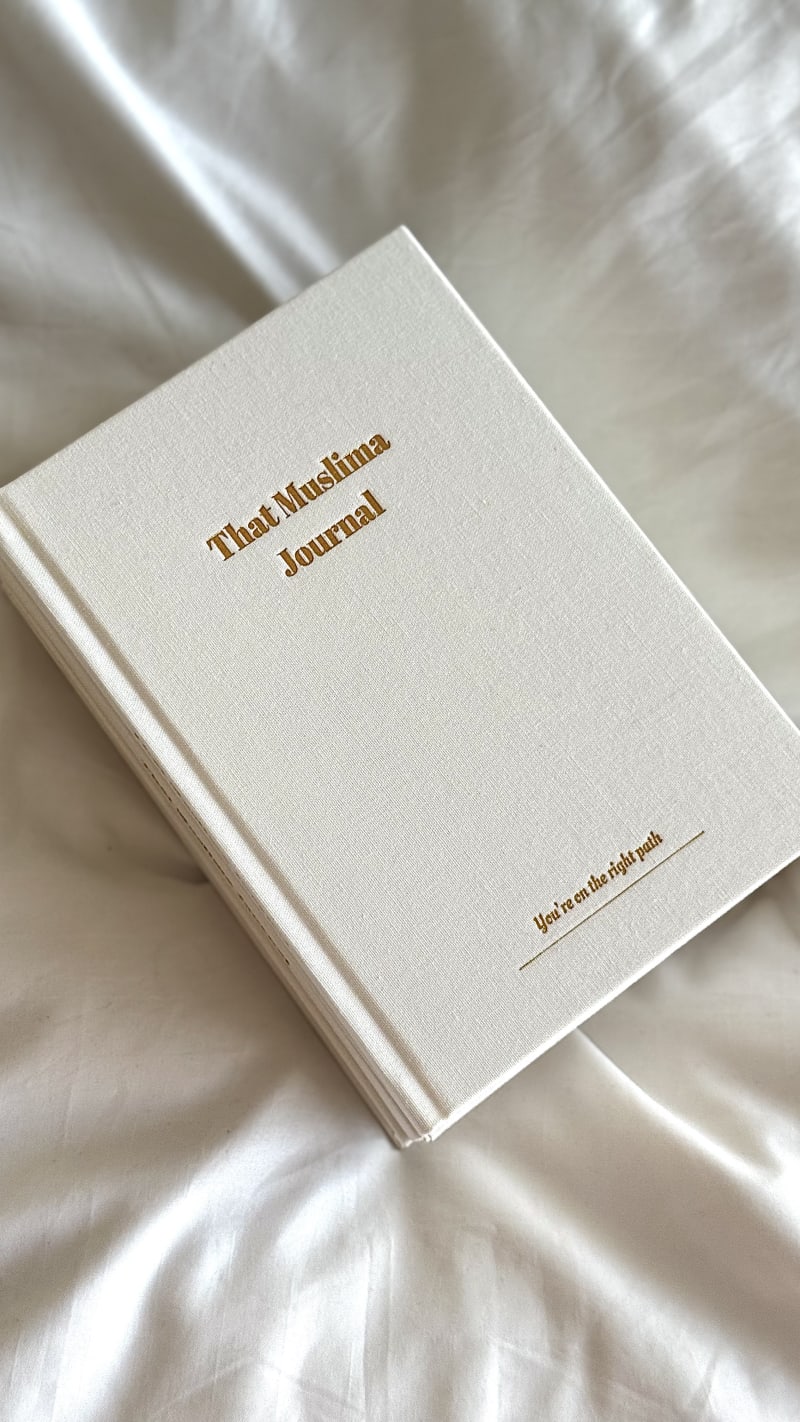
The That Muslima Journal was created for Muslim women who want a more intentional way to combine dua, reflection, gratitude, and spiritual growth. It can help you record the duas you are learning, the emotions behind them, and the moments when you recognize Allah’s mercy in your life.
Ultimately, the best daily duas for Muslim women are the ones that bring the heart back to Allah with sincerity. Learn them gradually. Repeat them with meaning. Attach them to real moments. Let them accompany your mornings, your errands, your work, your emotions, and your nights. A day filled with dua may still be imperfect, but it becomes a day lived in remembrance, and that changes everything.