Source: Abu Dawud 5095, at-Tirmidhi 3426 — graded sahih.
Virtue: In the same hadith, whoever says it, it is said to them you are guided, sufficed and protected, and Shaytan turns away.
There is also another authentic dua the Prophet ﷺ taught when stepping out. It asks Allah to protect you from misguidance, mistakes, injustice, and ignorance in your dealings with people.
اللَّهُمَّ إِنِّي أَعُوذُ بِكَ أَنْ أَضِلَّ أَوْ أُضَلَّ، أَوْ أَزِلَّ أَوْ أُزَلَّ، أَوْ أَظْلِمَ أَوْ أُظْلَمَ، أَوْ أَجْهَلَ أَوْ يُجْهَلَ عَلَيَّ
Allāhumma innī aʿūdhu bika an aḍilla aw uḍalla, aw azilla aw uzalla, aw aẓlima aw uẓlama, aw ajhala aw yujhala ʿalayya
Meaning: O Allah, I seek refuge in You from going astray or being led astray, from slipping or being caused to slip, from wronging or being wronged, and from acting ignorantly or being treated with ignorance.
Source: Abu Dawud 5094, at-Tirmidhi 3427 (the Prophet ﷺ taught this when stepping out).
Why this dua matters before you leave home
Leaving the house can feel like crossing a threshold between two worlds. Inside, there may be prayer mats, laundry baskets, breakfast dishes, sleeping children, unread messages, and the private worries you carry in your chest. Outside, there may be traffic, appointments, school runs, work, study, errands, family responsibilities, and conversations you cannot fully predict.
For a Muslim woman, the dua when leaving home is not a tiny ritual squeezed between finding your keys and locking the door. It is a moment of spiritual orientation. Before the noise begins, you remind your heart: I am not stepping into this day alone. I begin with Allah, I rely upon Allah, and I have no strength except through Allah.
The first dua teaches tawakkul. You may plan your route, pack the bag, check the calendar, prepare the children, and leave early, but your heart knows that safety, calm, and success are from Allah. It is not a rejection of effort. It is effort placed in its correct place: you do what you can, then entrust the outcome to the One who controls every outcome.
The second dua is especially powerful for daily life because so much of our day involves people. We ask Allah not to let us go astray or be led astray, not to slip or cause others to slip, not to wrong anyone or be wronged, and not to act with ignorance or be met with ignorance. It is a dua for your manners, your judgement, your dignity, and your protection.
The meaning in simple everyday language
Bismillāh means you begin in the name of Allah. Before your first step outside, before the commute, before the meeting, before the school gate, before the errand, before the difficult conversation, you place Allah’s name at the beginning. This changes the emotional tone of leaving. The doorway becomes less about rushing and more about returning your heart to its Lord.
Tawakkaltu ʿala-llāh means I place my trust in Allah. This is not the trust of someone who has no responsibilities. It is the trust of someone who knows her responsibilities are too heavy to carry without Allah. Your lists, plans, skills, and experience are blessings, but they are not your ultimate refuge.
Wa lā ḥawla wa lā quwwata illā billāh means there is no movement away from harm and no strength to do good except with Allah. It is a phrase of humility and courage at the same time. Humility, because you admit you are not independent. Courage, because the One you depend on is Allah.
The second dua gives language to fears many women feel but do not always say out loud. What if I make the wrong choice? What if someone manipulates me? What if I lose my temper? What if I am treated unfairly? What if I respond in a way that does not please Allah? Instead of carrying those fears alone, you hand them to Allah at the threshold.
Some days, the struggle outside is not only physical safety or practical stress, but emotional heaviness too. If you are working through comparison, resentment, insecurity, or envy, you may also find comfort in these duas for difficult emotions such as jealousy, because the same heart that seeks protection outside the home also needs gentleness inside itself.
When should you recite the dua for leaving the house?
The best time to recite the dua for leaving the house is as you leave: when you are stepping out, approaching the door, or crossing from inside to outside. In real life, that moment is not always calm. Someone may be asking where their shoes are. Your phone may be low on charge. You may be late. You may remember one more thing you forgot to pack.
That is exactly why this dua matters. It is not reserved for slow, peaceful mornings. It belongs in the middle of ordinary life. After you have gathered your bag, keys, phone, coat, lunch, stroller, books, or whatever the day requires, pause for a few seconds. Say the dua with awareness, even if quietly. Let your heart understand what your tongue is saying.
If you leave home more than once in a day, you may recite it each time you go out. The school run, the grocery trip, the walk, the appointment, the late-night pharmacy run, the visit to family, the journey to class: each exit is a fresh opportunity to renew your reliance upon Allah.
How to memorise it without making it feel heavy
If the Arabic feels difficult at first, begin by listening, repeating slowly, and reading the transliteration while you learn. Try not to turn memorisation into a source of shame. You are not failing because you need time. You are building a relationship with prophetic words, and relationships grow through repetition.
Start with the shorter dua. Break it into three parts: Bismillāh, tawakkaltu ʿala-llāh, and wa lā ḥawla wa lā quwwata illā billāh. Repeat each part separately, then join them together. Once the first dua becomes familiar, add the second dua gradually, one phrase at a time.
It can help to write the dua by hand and place it somewhere you naturally pause: near the door, inside a planner, on a small card in your bag, or beside your mirror. Writing slows the mind down. It turns the dua from something you saved on your phone into something your hand, eye, and heart have met.
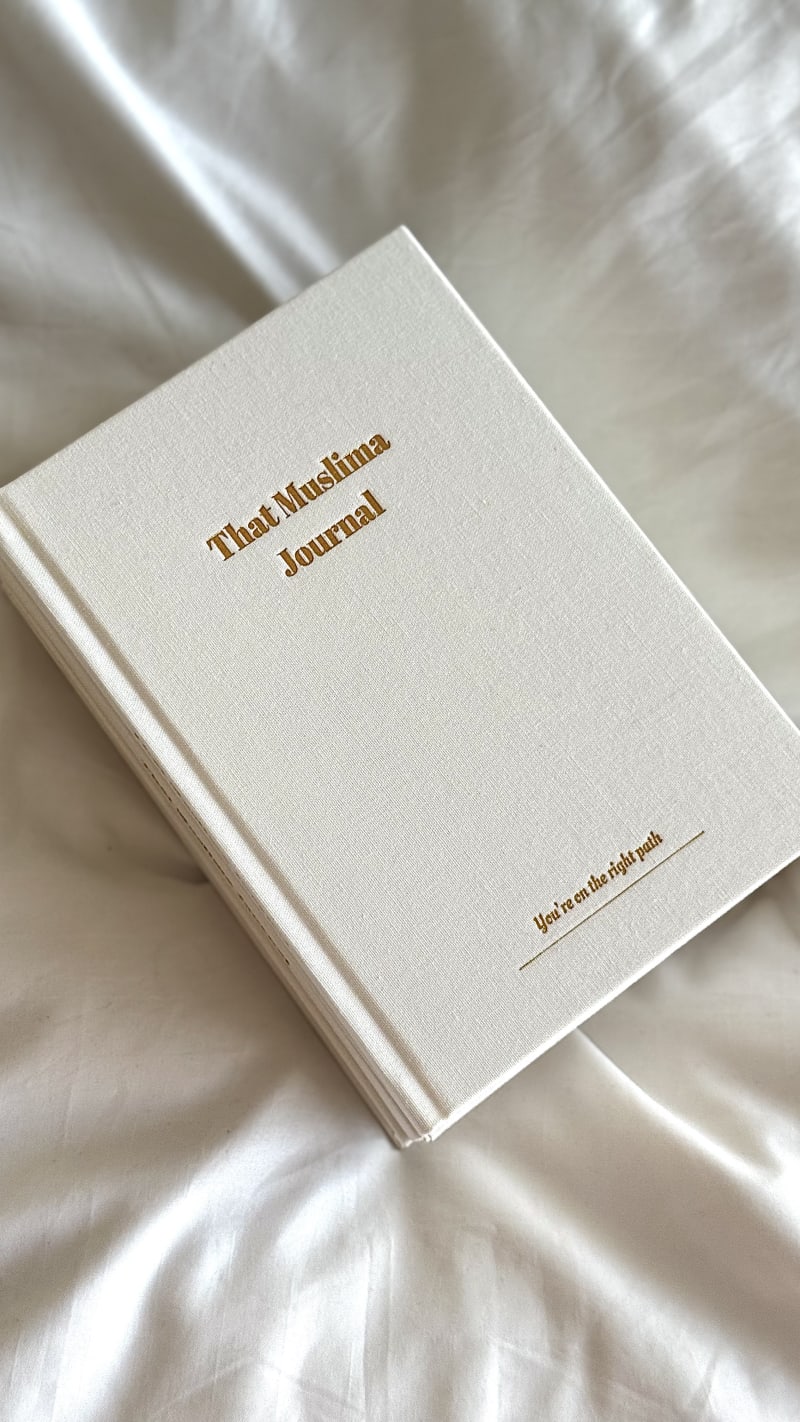
If you enjoy reflective routines, the That Muslima Journal can be a warm place to track this habit, write the meaning, and notice how your mornings feel when you leave with remembrance instead of panic. Not as another task to perfect, but as a gentle support for the woman you are becoming.
Use keys, shoes, and your phone as habit anchors
Strong habits are rarely built by willpower alone. They are built by connection. If you already do certain actions every time you leave, attach the leaving house dua to those actions. Let your normal routine become a reminder of Allah.
When you pick up your keys, remember that Allah is the true opener of ease. When you put on your shoes, remember that every step needs guidance. When you check your phone, remember that connection to people should not make you forget connection to Allah. When you lock the door, make the dua your final inner lock against fear, distraction, and heedlessness.
You can choose one anchor and keep it simple. For example: no keys without dua. Or: no shoes without dua. Or: hand on the door handle, then dua. The more specific the anchor, the easier the habit becomes. Vague intentions disappear in busy mornings, but clear cues are easier to follow.
If you live with children, siblings, friends, or family, you can make it a shared doorway habit. Recite it softly together before leaving. Children especially learn through repeated sounds and warm associations. They may not understand every word at first, but they will remember that leaving home begins with Allah.
A simple seven day practice
For the next seven days, focus on one small practice rather than trying to transform your entire morning routine. On day one, write the shorter dua and its meaning somewhere visible. Read it once before leaving, even if you stumble.
On day two, recite it more slowly. Do not rush the words as if you are ticking a box. On day three, connect it to your keys. Before you pick them up or immediately after, pause for the dua. On day four, connect it to your shoes and remind yourself: my steps need Allah’s protection.
On day five, teach the dua to someone else if appropriate. Teaching often strengthens memory because it makes you slow down and explain. On day six, add one short reflection when you return home: where did I notice Allah’s help today? It may be a safe journey, a calmer response, a delay that protected you, or patience you did not expect to have.
On day seven, review gently. Did a note by the door help? Did you remember better when you said it aloud? Did you forget on the busiest morning? This is not a performance review. It is muhasaba with mercy. You are learning how your heart remembers.
Common mistakes when reciting it
One common mistake is treating the dua like a password rather than a prayer. The goal is not merely to pronounce words quickly before the door closes. The goal is to turn the heart toward Allah. Even a few sincere seconds can change the way you step into the day.
Another mistake is waiting for perfect mornings. Some women think they will begin when they know the Arabic fully, when the house is calmer, when they feel more spiritual, or when life is less busy. But habits are built inside imperfect days. Begin while the hallway is messy. Begin while the children are loud. Begin while you are tired.
A third mistake is being harsh with yourself when you forget. Forgetting does not mean you are careless or insincere. It means you are human. When you remember later, ask Allah to help you remember next time and continue. Spiritual consistency is built through return, not self-criticism.
Another gentle point: if you are still learning the Arabic, you can read from a card or phone until it becomes familiar. The aim is to preserve the prophetic wording while allowing yourself a realistic path toward memorisation.
Let the doorway become a place of trust
Your doorway may not look like a spiritual place. It may be surrounded by shoes, bags, parcels, umbrellas, toys, or the evidence of a rushed morning. Yet it can become one of the most meaningful places in your home because it is where you renew your reliance before meeting the world.
The dua for leaving the house is short, but it carries a complete lesson for daily life: begin with Allah, rely upon Allah, seek protection from harm, and ask to be kept upright in your dealings with people. It is a small Sunnah with a large effect on the heart.
You do not need a flawless routine to begin. You only need a sincere pause at the threshold. Gather your things, take your keys, say the dua, and step out with trust in Allah.