Jealousy can feel especially painful because it often arrives quietly. It may look like a passing thought when someone shares good news, a tightness in the chest after scrolling social media, or a restless comparison when another woman reaches a milestone you long for. In those moments, many Muslim women do not only feel sadness. They also feel guilt for feeling it at all. This is why learning duas for jealousy in Islam matters. You are not trying to pretend the feeling does not exist. You are learning how to meet it with honesty, mercy, and remembrance of Allah.
If you are wondering how to deal with jealousy as a Muslim woman, it helps to begin with compassion. Jealousy does not always come from arrogance or bad character. Sometimes it rises from grief, delay, loneliness, exhaustion, or an unhealed disappointment. A woman may feel it when family members compare marriages, children, homes, beauty, or religious practice. She may feel it when social media turns private blessings into public displays. She may feel it when everyone around her seems to be moving forward while she remains in a season of waiting. Islam does not ask you to deny the complexity of the heart. It asks you to bring the heart back to Allah.
Why jealousy can hit harder for Muslim women
Many Muslim women carry visible and invisible expectations. There are expectations around marriage, motherhood, appearance, hospitality, career, worship, and even emotional composure. Comparison can become constant when every gathering contains subtle measuring. Who is further along. Who is more admired. Who seems more settled. Who appears more loved. Over time, these pressures can make jealousy feel less like a rare emotion and more like a recurring wound.
This is also why spiritual self care in Islam is not a luxury. It is necessary heart work. A jealous thought left unattended can become resentment. But a jealous thought noticed early can become a doorway to muhasaba, sincere dua, and inner repair. The goal is not to become emotionless. The goal is to become truthful, so that what begins as envy can be transformed into humility and gratitude.
What Islam teaches about jealousy and admiration
One of the most important distinctions to learn is the difference between destructive jealousy and noble admiration. When people speak about ghibta versus jealousy, they are naming a deep spiritual truth. Jealousy wants a blessing removed from someone else. Ghibta is different. It is to see a blessing and ask Allah for good without wishing loss upon another. One poisons the heart. The other can motivate it toward hope.
This is where niyyah, intention, matters. When you notice jealousy, ask what your heart is seeking. Are you grieving your own delay. Are you doubting Allah's wisdom. Are you measuring your worth through another person’s provision. These questions are not meant to shame you. They help you return to sincerity. A believer can admit, with tenderness, that her heart needs cleansing.
If you need tawbah from jealousy, begin simply. Turn to Allah with honesty. Say that you dislike what this feeling is doing to your heart. Ask Him to purify your intention, protect the person you envied, and grant you contentment with what He has written for you. Tawbah is not only for visible sins. It is also for hidden distortions of the heart.
A gentle journal setup: Name it, cleanse it, redirect it
A journal can help because jealousy becomes heavier when it stays vague. Writing gives it shape, and what has shape can be examined with mercy. A gentle practice is to divide your page into three parts: name it, cleanse it, redirect it. This approach works well as a form of journal prompts for jealousy because it avoids self-shaming and keeps you close to Allah.
In the first section, name it. Write exactly what triggered you. Do not beautify it and do not dramatize it. Perhaps a friend announced a pregnancy. Perhaps a sibling was praised in front of you. Perhaps you saw someone living a life you thought would be yours by now. Naming the trigger is not weakness. It is clarity.
In the second section, cleanse it. This is where you ask what the feeling revealed. Did it expose fear, scarcity, pride, or sorrow. Did it uncover a story you keep telling yourself, such as, I am behind, I am forgotten, or everyone else is chosen before me. Then bring in istighfar, a short dua, and a truthful correction. Allah does not overlook you. Provision is not a race. Another person’s blessing does not block your own.
In the third section, redirect it. Here you choose a response that moves the heart toward gratitude. Make dua for the person you envied. Write down one blessing in your own life that you usually rush past. Choose one practical act of gratitude today, such as sending a kind message, giving charity, making two units of prayer, or stepping away from unnecessary comparison online. This is where reflection becomes transformation.
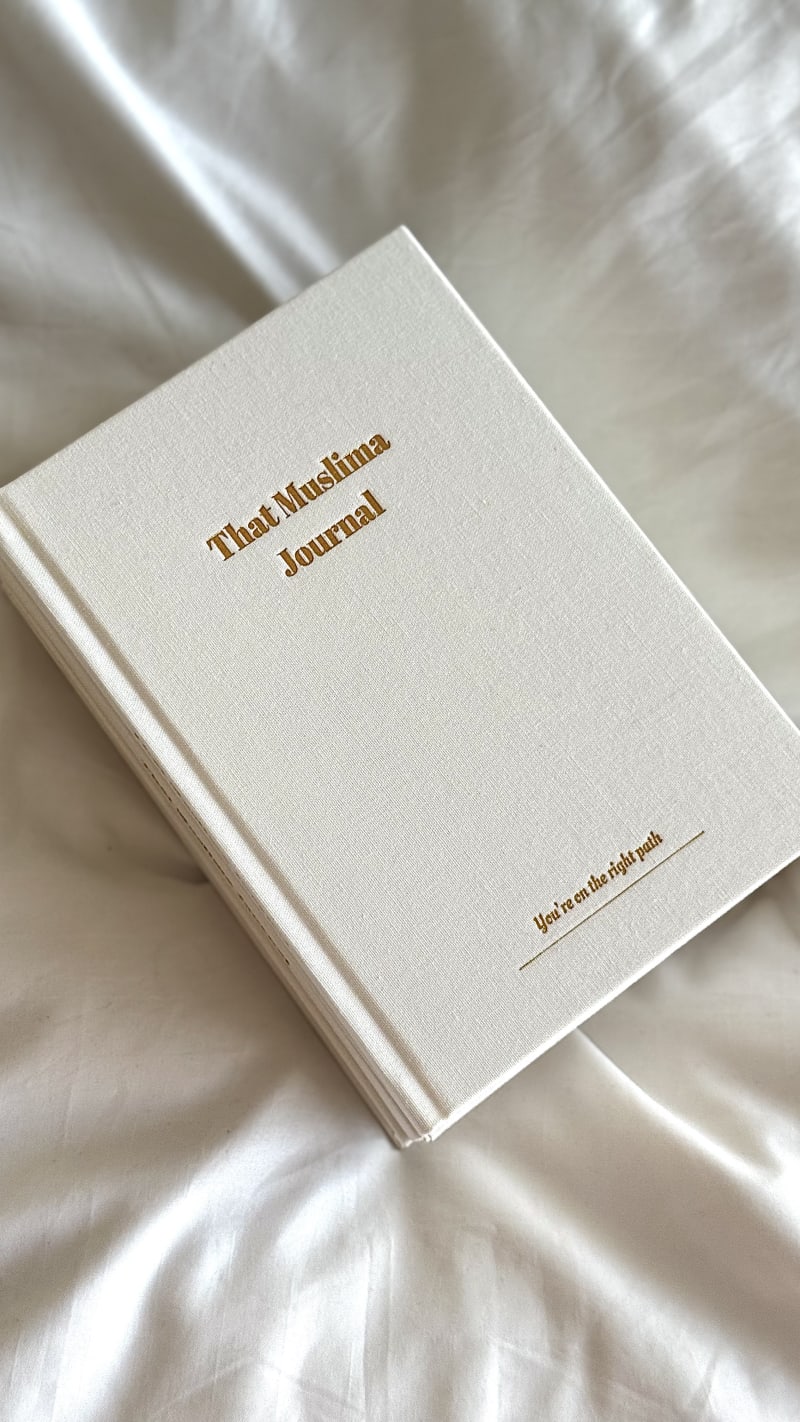
For women who want a structured space for this kind of inner work, That Muslima Journal can be a beautiful companion. The right journal does not merely hold your thoughts. It trains you to notice patterns, return to Allah, and build a steadier relationship with your own heart.
Journal prompts paired with dua themes
If you are searching for duas for jealousy in Islam, pair them with writing. This helps the heart move from reaction to remembrance. Start with the trigger. Ask: What exactly stirred this feeling in me today. What did I see, hear, or remember. What part of my life feels tender right now. Then make dua that Allah protects your heart from resentment and grants goodness to the one you struggled with.
Next, check your thoughts. Ask: What meaning did I attach to this moment. Did I assume that another woman’s blessing says something final about my own worth. Did I forget that Allah gives in different measures and at different times. Did I confuse delay with rejection. Then ask Allah for a sound heart, a truthful perspective, and freedom from whispers that distort reality.
Then choose gratitude actions. Ask: What is one blessing I can thank Allah for right now, even if my heart feels unsettled. What is one act that would make gratitude visible today. Can I speak well of the person I envied. Can I make dhikr instead of scrolling. Can I care for my body, rest properly, or reduce exposure to what inflames comparison. Gratitude is not only a feeling. It is a discipline of attention.
A short end of page reset
When the writing is done, do not leave the page carrying all the weight. End with a reset. Write a line of istighfar. Ask Allah to forgive what was hidden in the heart and to replace it with contentment. Then write one practical step for the next twenty four hours. Keep it small and sincere. Mute one account that triggers constant comparison. Make dua for the person by name. List three blessings before sleep. Read a passage of Quran slowly. A practical step grounds repentance in action.
How to track patterns without spiraling
Over time, you may notice that jealousy is not random. It often clusters around certain themes: marriage, friendships, beauty, children, religious recognition, financial ease, or family approval. Tracking these patterns can be useful if you do it lightly. You are not gathering evidence against yourself. You are learning where your heart needs extra care.
Once a week, review your notes and ask only a few questions. What triggered me most often. What story did my mind repeat. What helped me calm down and return to Allah. Where did I see even a small improvement. This is enough. You do not need to dissect every emotion. Too much analysis can become another form of self-absorption. The purpose of reflection is movement, not spiraling.
As this practice continues, you begin to move toward sabr. Not a passive waiting, but a steady, dignified patience that trusts Allah while still tending to the heart. Jealousy may still visit, but it no longer gets to rule the room. You learn to notice it sooner, repent faster, and redirect more gently. That is real growth.
If you feel jealous today, do not let shame be the loudest voice. Let the moment become an invitation. Name what hurts. Cleanse what hardened. Redirect what could still become beautiful. With sincere dua, honest muhasaba, and a grounded writing practice, even jealousy can become a path back to gratitude.