Winter evenings can arrive with a strange heaviness. The sky darkens before the day feels complete, the body asks for rest earlier than usual, and even simple tasks can feel like they require more emotional effort. For many Muslim women, this season can bring a quiet kind of fatigue: not always sadness, not always stress, but a drained feeling that settles in after work, study, caregiving, errands, or long hours indoors.
A gentle winter evening dhikr routine is not about becoming more productive at night. It is not another standard to meet or another spiritual checklist to complete when your energy is already low. It is a soft return. A way of placing your tired heart near Allah again, without forcing yourself into intensity. Some nights, the most meaningful worship is the kind you can actually sustain: quiet, humble, and sincere.
Why Winter Evenings Can Feel Heavier and More Isolating
Shorter days can affect the heart more than we expect. When daylight fades early, the evening can feel stretched, silent, and unusually inward. If you live alone, winter may make the walls feel closer. If you live with family, the noise and needs of others may feel more overwhelming after sunset. If you work long hours, you may feel as though the best part of the day disappeared before you had a chance to breathe.
Muslim women winter self care should honor this reality. It should not dismiss tiredness as weakness, nor should it spiritualize exhaustion in a way that makes you feel guilty for needing rest. Islam recognizes human limits. The Prophet, peace and blessings be upon him, taught balance, gentleness, and consistency. A heart that is tired does not need harshness. It needs mercy, direction, and small doors back to remembrance.
This is where dhikr becomes deeply comforting. It does not require perfect surroundings. It does not require a long block of time. You can remember Allah while wrapped in a blanket, while your tea cools beside you, while your mind is still untangling the day. Dhikr is a spiritual reset not because it erases your responsibilities, but because it reorders them beneath the greatness of Allah.
A Simple Dhikr Flow for Low-Energy Nights
On tired days, begin smaller than you think you need to. A soft dhikr routine at night can be as short as five to ten minutes. The goal is not to impress yourself. The goal is to come back with honesty.
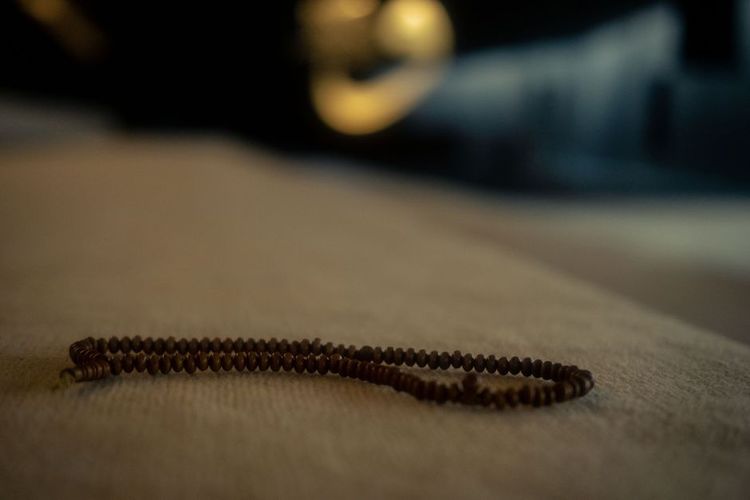
Start by sitting somewhere calm. Place your phone away from your hand if possible. Let your shoulders drop. Take one slow breath and make a quiet niyyah: O Allah, I am turning back to You with the little energy I have. That intention matters. It transforms a simple pause into worship.
Then begin with istighfar. Say Astaghfirullah slowly, perhaps thirty-three times, not as a rushed count but as a release. Let it mean: I return from what I know, and from what I do not know. I return from distraction, resentment, comparison, impatience, and all the small ways my heart wandered today.
After that, move into words of praise: SubhanAllah, Alhamdulillah, and Allahu Akbar. These phrases gently reshape the inner world. SubhanAllah reminds you that Allah is far above every fear that feels too large. Alhamdulillah opens a window of gratitude, even if the day was difficult. Allahu Akbar places your worries back into proportion: real, but not greater than Allah.
Then send blessings upon the Prophet, peace and blessings be upon him. This can be especially soothing in the evening, because it reconnects you to love, guidance, and belonging. End with a personal dua, spoken simply. You do not need polished words. You might say, O Allah, soften my heart, restore my energy, forgive my shortcomings, and let this night be a source of peace.
Pairing Dhikr with Tea, Dim Lights, and Screen Reduction
The body often needs signals before the heart can settle. This is why pairing evening dhikr for tired days with small sensory comforts can make the routine easier to enter. Make a warm drink. Lower the lights. Choose one corner of your room as your winter remembrance space, even if it is only the edge of your bed or a chair near a lamp.
Tea can become a gentle cue: not a luxury you must prepare perfectly, but a simple marker that the day is slowing down. As the kettle warms, begin your istighfar. As you hold the cup, practice gratitude. Warmth in the hands can help remind the nervous system that it is safe to soften.
Dim lights matter too. Bright overhead lighting can keep the mind alert and restless. Softer lighting invites a different pace. If you can, reduce screens for ten minutes before your routine. The endless scroll often promises rest but leaves the soul more scattered. By stepping away, even briefly, you create space for presence.
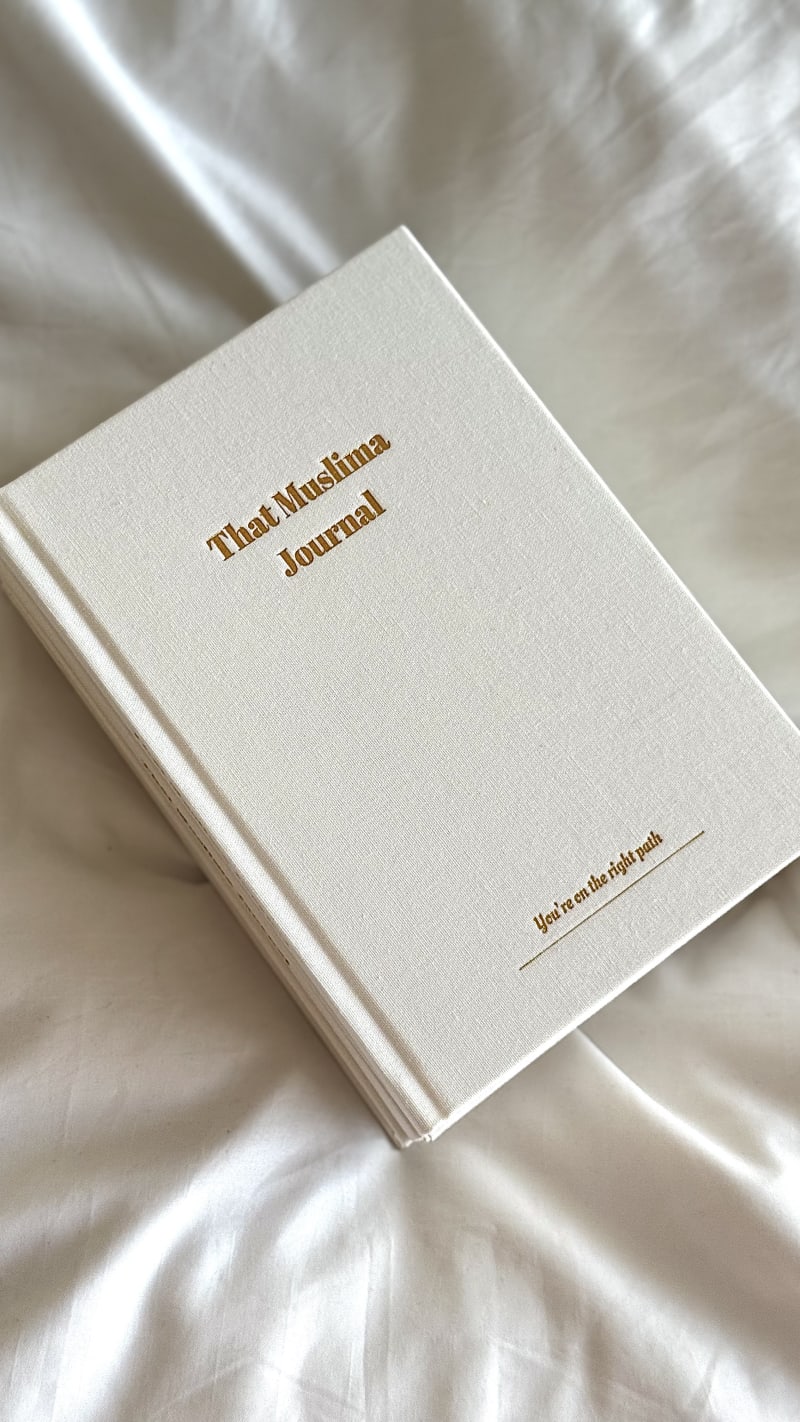
This is also where journaling can support your worship. A few lines after dhikr can help you notice what changed inside you. The That Muslima Journal was created for this kind of reflective spiritual care: honest, feminine, faith-centered, and grounded in the real rhythms of Muslim women’s lives. You might write one sentence of gratitude, one worry you are handing to Allah, and one gentle intention for tomorrow.
Keeping the Routine Realistic on Work Nights
Many routines fail because they are designed for an ideal version of life. Work nights are not always spacious. You may come home overstimulated, hungry, socially drained, or mentally crowded. A realistic Muslim women spiritual reset must be flexible enough to meet you there.
Create a minimum version of the routine. For example: three minutes of istighfar, three phrases of praise, one blessing upon the Prophet, and one dua. That is enough for the nights when your eyes are heavy and your responsibilities are unfinished. Consistency grows when the routine remains merciful.
You can also connect your dhikr to something you already do. Say SubhanAllah while washing your face. Say Alhamdulillah while changing into comfortable clothes. Say Astaghfirullah after closing your laptop. These small anchors prevent remembrance from feeling like a separate task that competes with your evening. Instead, it becomes the light running through the evening.
If you miss a night, do not turn the routine into evidence against yourself. Spiritual growth is not built by self-punishment. Simply return the next evening. The believer’s path includes pauses, renewals, and beginnings after beginnings. What matters is not that you never feel drained. What matters is that you learn where to bring your drained heart.
Ending the Evening with Calm, Not Pressure
The end of the day can become a place of quiet judgment. You may think about what you did not finish, the messages you did not answer, the prayer you delayed, the patience you lost, or the goals you failed to meet. While muhasaba, or self-accounting, is valuable, it must be held with hope. Without hope, reflection becomes rumination.
End your winter evening dhikr routine with calm by asking three gentle questions: What mercy did Allah show me today? What do I need to seek forgiveness for? What can I entrust to Allah before I sleep? These questions keep the heart awake without making it anxious.
Then close the routine physically. Put the journal away. Finish the last sip of tea. Turn down the light. Let your final thoughts be simple: Allah saw the whole day. Allah knows what was heavy. Allah accepts small deeds done sincerely. Allah is near, even in the darkest part of the season.
Winter does not have to be a season of spiritual numbness. It can become a season of quieter worship, deeper honesty, and softer returns. Your evening routine does not need to be elaborate to be meaningful. A tired woman remembering Allah in the dark is not behind. She is being invited into nearness, one gentle phrase at a time.