Many people search for the meaning of a Muslim spiritual gift when they are trying to choose something thoughtful, beneficial, and pleasing to Allah. Yet the phrase can easily become vague. It may sound beautiful, but without clarity it can be used for almost anything, from a decorative object with religious language on it to a gift that looks pious but does little to help the heart, mind, or daily worship of the person receiving it.
If you have wondered about spiritual gift meaning, or tried to understand the meaning of hadiyya in a more faith-conscious way, it helps to begin with a simple principle: in Islam, a gift does not become spiritually meaningful because of appearance alone. It becomes spiritually leaning through niyyah, benefit, and the way it supports a person in remembrance, reflection, worship, or sincere inner growth.
This matters because the idea of a spiritual gift in Islam is often misunderstood. Some people use the phrase to mean any gift with Islamic design. Others use it to imply moral superiority, as if one kind of giving is automatically more righteous than another. But Islam teaches depth, not performance. A gift is not spiritually valuable because it signals virtue to others. Its value lies in whether it carries mercy, wisdom, thoughtfulness, and real benefit.
What people usually mean when they search for a Muslim spiritual gift meaning
When real searchers look for the meaning of a Muslim spiritual gift, they are often asking a deeper question than the words suggest. They are not only asking, “What should I buy?” They are asking, “How do I give in a way that aligns with faith?” They want to know whether a gift can nurture the soul, encourage consistency, soften the heart, or support a loved one through a meaningful season of life.
In that sense, the search for spiritual gift meaning is really a search for ethical and intentional giving. It reflects a desire to move beyond consumer habits and toward gifts that carry remembrance. A person may be shopping for Ramadan, Eid, a marriage, a new beginning, a time of grief, or a moment of personal renewal. What they want is not merely an object. They want a gift that leaves a trace of goodness.
This is where the meaning of hadiyya becomes useful. In Islamic life, a gift is not only an exchange of items. It can be an expression of love, care, reconciliation, honor, and connection. The Prophetic spirit around giving teaches affection, gentleness, and strengthening bonds. So when people ask about a spiritual gift in Islam, they are often trying to understand how a gift can serve both the relationship and the soul.
What actually counts as a spiritual-leaning gift
A spiritual-leaning gift is not defined by trend or label. It is defined by three things: niyyah, impact, and intention carried through action. First, the giver chooses with sincerity, hoping for Allah's pleasure and the genuine good of the receiver. Second, the gift has believable benefit. Third, it fits the actual person receiving it rather than the giver's self-image.
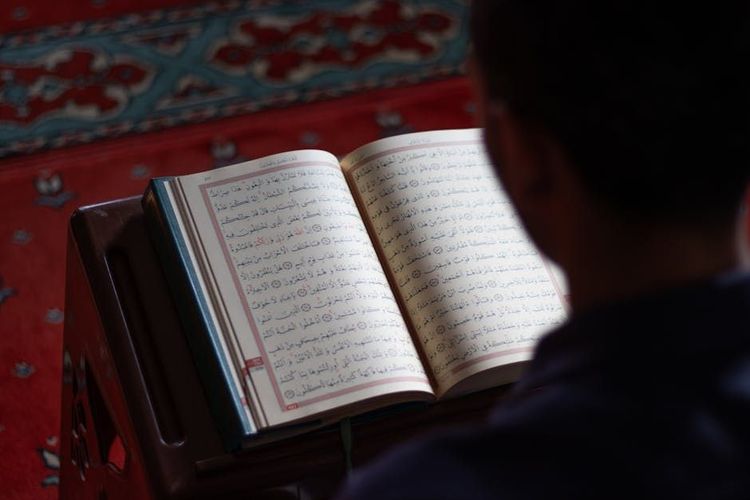
This means a spiritual gift in Islam could be a Quran, a journal for muhasaba, a beneficial book, prayer essentials, or something that supports calm, reflection, and regular worship. It might also be something less obvious: a practical item that relieves stress so a person has more space for worship, healing, or steadiness. The category is wider than many assume, but it is not limitless. The key question is whether the gift helps cultivate goodness in a sincere and grounded way.
A journal is a good example. On its own, it is paper and structure. But when chosen thoughtfully, it can become a space for dua, gratitude, self-accounting, and renewed niyyah. That is why something like That Muslima Journal can be spiritually meaningful when it meets a real need in a woman's life: not because it carries a label, but because it invites reflection, consistency, and inward honesty.
So the Muslim spiritual gift meaning is not “religious-looking item.” It is “a gift given with sincere intention that offers genuine support to faith, character, remembrance, or inner growth.” That is a much more careful and useful definition.
Misuse patterns to avoid
One common misuse is status-based giving. This happens when a gift is chosen to make the giver appear refined, knowledgeable, or visibly religious. The receiver becomes secondary. The gift may be expensive, elegant, and outwardly appropriate, but the hidden goal is admiration. A gift shaped by ego may still be appreciated, but it should not be confused with spiritual depth.
Another misuse is guilt-based giving. Sometimes people give a supposedly spiritual gift as a correction disguised as kindness. They are not asking, “What would benefit this person?” They are implying, “You need to improve.” This can happen through gifts that shame, pressure, or expose a perceived weakness. Even if the item is religious in theme, the emotional message may be harsh. Islamic adab requires more tenderness than that.
A third misuse is performative gifting. This is especially common in public settings or online culture, where the presentation of the gift matters more than its lasting value. The language becomes lofty, but the real concern is impression. A spiritual gift in Islam should not be reduced to a visual identity. If the giving is mostly about being seen, the spiritual claim becomes fragile.
These misuse patterns matter because they distort the meaning of hadiyya. A true gift should open the heart, not burden it. It should communicate care, not superiority. It should bring ease, not self-display.
How to tell whether a spiritual gift is truly benefiting the receiver
A simple checklist can help. First, ask whether the gift suits the receiver's current life. A beautiful item that does not fit her needs may be admirable but not truly beneficial. Second, ask whether it encourages something good without forcing a performance. Third, ask whether it is likely to be used, revisited, or remembered in a meaningful way.
Also ask whether the gift respects the receiver's dignity. Does it feel like care, or like commentary? Does it support her relationship with Allah, or simply project your idea of what she should be? A spiritually leaning gift should feel thoughtful, not intrusive.
Finally, consider emotional effect. Does the gift bring peace, encouragement, hope, clarity, or a sense of being understood? Spiritual benefit is not only instructional. Sometimes it comes through creating room for stillness, reflection, and honest return to Allah. A well-chosen tool for dhikr, planning worship, or writing personal reflections can have more lasting impact than something outwardly impressive.
Frequently asked questions
Is every gift spiritual? Not in the specific sense. Any lawful gift can be rewarded if given with good intention and kindness. But not every gift should be described as a spiritual gift. That phrase is best reserved for gifts that intentionally and credibly support faith, remembrance, inward growth, or beneficial practice.
What if the intention is not purely for Allah? Human intention is often mixed. A person may want to please Allah and also make a loved one happy. That is not automatically a problem. The goal is sincerity, not perfection. What matters is honest effort: to purify niyyah, avoid showing off, and choose what genuinely benefits the other person. Islam teaches us to refine the heart, not to wait for impossible purity before doing good.
Does a gift need to be explicitly religious to be spiritually meaningful? No. A gift can be spiritually meaningful if it helps a person live with more steadiness, gratitude, reflection, or worship. The label matters less than the effect. The best gifts are often those that quietly support a person's real life before Allah.
A better way to choose
If you want to understand Muslim spiritual gift meaning well, move away from labels and toward responsibility. Ask what this gift is doing in the life of the receiver. Ask whether it reflects mercy, wisdom, and sincerity. Ask whether it is rooted in care rather than image.
When giving becomes thoughtful in this way, the meaning of hadiyya becomes richer. A gift is no longer just an object exchanged on an occasion. It becomes a small act of service, a sign of love, and sometimes a means of helping someone return to what matters most.
Before you choose, try this journal prompt: write your niyyah in one sentence. “I want this gift to help her feel supported in her relationship with Allah.” Or, “I want this gift to bring calm, reflection, and benefit.” Writing the intention first can protect the heart from impulse, vanity, or empty symbolism.
That is one reason many women value reflective tools such as That Muslima Journal. When a gift creates space for muhasaba, gratitude, intention-setting, and honest inner conversation, it can carry quiet spiritual weight. Not because the phrase sounds elevated, but because the benefit is real.
In the end, the clearest spiritual gift meaning is simple: a gift becomes spiritually meaningful when sincere intention meets real benefit. That is the standard worth keeping.
